
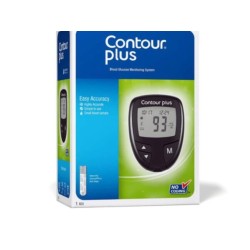
Contour Plus Meter Glucometer — available at DiabetesStore.com.bd
Bangladesh winters are mild compared to many countries, but those cool mornings from November through February can still catch people with diabetes off guard. When the temperature drops — even just a little — your body responds in ways that can affect your blood sugar, circulation, and energy levels. The good news? A simple, consistent morning routine can make a real difference.
This guide walks you through practical, easy-to-follow steps to start your winter mornings well when you have diabetes. No complicated rules — just warm, sensible habits that fit into everyday Bangladeshi life.
Why Winter Mornings Matter for People with Diabetes in Bangladesh
How Cooler Temperatures Affect Your Body
When the air feels chilly, your body works a little harder to keep itself warm. This can affect how cells use insulin and how your blood sugar behaves. Cool weather may also make blood vessels slightly narrower, which can slow circulation — something especially worth noticing if you already have concerns about your feet or hands.
In Bangladesh, winter rarely brings frost, but morning temperatures in Dhaka, Rajshahi, or Sylhet can dip noticeably. Even a difference of 10–12°C from the afternoon can be enough to shift your body's rhythm.
The Challenge of Cold, Dark Mornings
Cool, foggy mornings can tempt anyone to stay under the blanket a little longer. For people with diabetes, skipping or delaying your morning routine — breakfast, medication timing, movement — can quietly disrupt blood sugar patterns for the rest of the day. Building a gentle but consistent routine helps your body (and your numbers) stay steady.
Step-by-Step Diabetes-Friendly Winter Morning Routine
1. Wake Up Gently and Warm Up Slowly
Jumping out of bed quickly on a cold morning can cause a sudden rush that affects blood pressure and blood sugar. Instead, try this:
- Sit up slowly and take a few deep breaths before standing.
- Keep a light shawl or sweater at your bedside so you don't feel the chill immediately.
- Give yourself at least 5 minutes before rushing into any activity.
This is a small habit, but it helps your body transition gently from sleep to waking.
2. Check Your Blood Sugar First Thing
Morning blood sugar — often called the fasting blood glucose — gives you a useful snapshot of how your body managed overnight. Checking it before eating or drinking anything (except water) is one of the most valuable things you can do each morning.
Winter mornings are a good time to pay extra attention to your readings. Keep your glucometer and glucose test strips on your bedside table or somewhere easy to reach. Cold fingers can sometimes make getting a good blood drop harder — rub your hands together or rinse them under warm water first to improve circulation before testing.
Write down your reading if you keep a log — patterns over days and weeks are what help you and your doctor understand what's happening.
3. Take Care of Your Feet Before You Step Out
Winter is the season when foot care deserves extra attention. Dry, cool air pulls moisture from skin quickly, making feet more prone to cracks and dryness. For people with diabetes, small skin problems on the feet can become bigger issues if they're not noticed early.
Build this short check into your morning:
- Look at your feet — use a mirror or ask someone to help if needed. Check the soles, heels, and between the toes for any redness, cuts, or dry patches.
- Moisturise — apply a gentle, unscented foot cream or lotion to the tops and soles (not between the toes). Do this after washing and drying your feet.
- Choose the right socks and footwear — diabetic socks with no tight elastic bands are ideal for winter. They keep feet warm without cutting off circulation. Avoid walking barefoot on cold floors.
4. Eat a Balanced Winter Breakfast
Breakfast after a winter night's sleep is important — your body has been fasting for 8 hours or more and needs steady fuel. A good diabetes-friendly winter breakfast in Bangladesh might include:
- Complex carbohydrates — red rice, oats, or wholegrain roti release energy more slowly than white rice or refined bread.
- Protein — eggs, lentils (dal), or low-fat dairy help keep you full and prevent blood sugar from spiking quickly.
- Vegetables — winter is a wonderful season in Bangladesh for fresh vegetables. Spinach, cauliflower, radish, and carrots are all in season and great for a morning dish.
Try not to skip breakfast, even if you're not very hungry in the cold. Skipping can lead to lower blood sugar for some people or overeating later in the day for others.
5. Stay Hydrated Even When You Don't Feel Thirsty
One tricky thing about winter: you feel less thirsty. But your body still needs water. Dehydration can affect blood sugar concentration, and dry winter air removes moisture from your body even when you're not sweating.
Warm fluids are a great solution on cold mornings:
- Warm water with a slice of lemon
- Herbal tea (without added sugar)
- Warm, diluted green tea
- Light, low-sodium broth
Aim to drink something warm within the first hour of waking. It warms you up and keeps your hydration on track.
6. Do Some Light Indoor Movement
Cold mornings might make outdoor walks feel unappealing, but movement is still important for blood sugar management. The good news is that even light indoor activity helps.
Try 10–15 minutes of:
- Gentle stretching or yoga
- Walking around the house or up and down stairs
- Simple chair exercises (leg raises, arm circles)
- Light household tasks done with intention, like sweeping or tidying
Even this small amount of movement after breakfast helps your muscles use blood sugar more efficiently. Always speak with your doctor before starting any new exercise if you have specific health concerns.
7. Dress Smart for Bangladesh's Cool Mornings
Layering is the key to staying comfortable. In Bangladesh, winter mornings can be quite cool but afternoons warm up significantly. Wearing layers means you can remove clothing as the day heats up without feeling too hot by midday.
Pay special attention to:
- Hands and feet — these extremities are most vulnerable to cold for people with circulation concerns. Light gloves and warm socks make a big difference.
- Head and neck — a light scarf keeps body heat in without being too heavy.
- Avoid tight clothing — tight waistbands or tight socks can restrict blood flow. Choose comfortable, breathable layers.
Common Winter Morning Mistakes to Avoid
Even with the best intentions, a few common habits can trip people up in winter:
- Skipping the morning blood sugar check because fingers are cold — warm your hands first, don't skip the check.
- Eating a heavy, starchy breakfast because winter feels like a comfort-food season — balance is key.
- Skipping foot inspection because socks feel warm and comfortable — always check before putting socks on.
- Staying completely sedentary all morning — even a short walk indoors counts.
- Forgetting to drink fluids because you don't feel thirsty — set a reminder if needed.
- Delaying medication timing because your morning runs late — try to keep meal and medication timing as consistent as possible, as guided by your doctor or pharmacist.
Building Your Routine: Small Steps, Big Results
You don't need to overhaul your entire morning overnight. Start with one or two habits and add more as they become natural. The most powerful routines are the ones that feel manageable — not the ones that feel like a chore.
Here's a simple winter morning timeline to try:
| Time | Action |
|---|---|
| On waking | Sit up slowly, stay warm, deep breaths |
| First 10 minutes | Check blood sugar, warm your hands first |
| Before dressing | Inspect and moisturise feet, put on diabetic socks |
| Within 1 hour of waking | Drink warm fluids, eat a balanced breakfast |
| After breakfast | 10–15 minutes of light indoor movement |
| Before leaving home | Layer up, check your supplies for the day |
Keep your diabetes supplies — glucometer, test strips, any prescribed medications — in a consistent place so you never have to search for them on a groggy winter morning.
And remember: consistency matters more than perfection. A good-enough routine done every day beats a perfect routine done once a week.
Frequently Asked Questions
Does cold weather actually raise blood sugar levels?
Cold weather can sometimes affect how the body manages blood sugar. Stress hormones released to keep the body warm may influence blood glucose levels. This is why more frequent monitoring during winter months can be helpful. Always discuss any changes in your readings with your doctor.
Why are my blood glucose readings sometimes different in winter mornings?
Several things can affect morning readings in winter — changes in activity levels, eating patterns, sleep quality, and even room temperature. Keeping a consistent routine helps reduce these variations. If readings are consistently unusual, speak with your healthcare provider.
Can cold temperatures affect my glucometer or test strips?
Yes, extreme cold can affect the accuracy of some glucometers and test strips. Most devices work best at room temperature. Store your supplies indoors and let them reach room temperature before use. Check your device's manual for its recommended temperature range.
What is the best breakfast for someone with diabetes in winter in Bangladesh?
A good winter breakfast includes a mix of complex carbohydrates, protein, and plenty of seasonal vegetables. In Bangladesh, options like oats with low-fat milk, eggs with wholegrain roti, or dal with a small serving of red rice are all balanced choices. Avoid sugary drinks or very sweet foods first thing in the morning.
How can I keep my feet warm safely in winter if I have diabetes?
Wear well-fitting diabetic socks that keep feet warm without tight elastic. Avoid hot water bottles or electric heaters directly against the skin, as reduced sensation means burns can happen without you feeling them. Check your feet daily for any changes.
Is it safe to exercise outdoors in Bangladesh's winter mornings with diabetes?
Light outdoor exercise in Bangladesh's mild winter is generally pleasant. Check your blood sugar before going out, dress in layers, and carry a small snack in case blood sugar drops. Always follow your doctor's advice about the type and amount of exercise that suits your individual condition.
Disclaimer: This article is for general information purposes only and does not constitute medical advice. Every person's health needs are different. Always consult your doctor, diabetes care specialist, or pharmacist before making any changes to your diabetes management routine.
]]>